FREE SHIPPING ON ALL ORDERS OVER $100 (CONTINENTAL US ONLY!)

Chelated Iron DTPA Fertilizer

Regular Price
$ 31.99
Sale Price
$ 31.99
Regular Price
$ 29.99
Sold Out
Unit Price
per 

Weight: 1 Pound

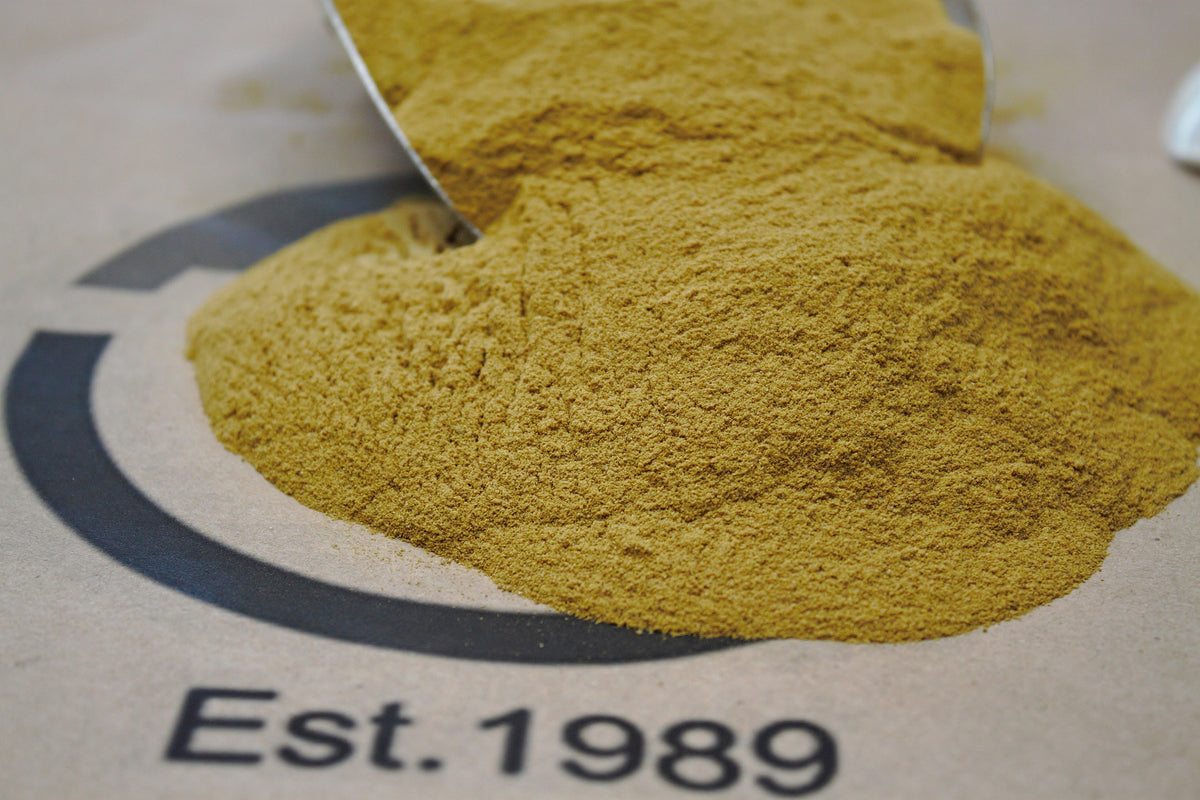
Chelated Iron DTPA 11% Fertilizer

Premium DTPA-chelated iron for superior availability in alkaline soils up to pH 7.5 — where EDTA fails. 100% water-soluble for soil drench, foliar spray, and hydroponic applications.

🔬 Lab Tested for Purity 🇺🇸 Made in USA 🛡️ 90-Day Guarantee 🚚 Free Shipping $100+

Ideal Applications

Foliar Spray
1–2 tsp/gallon
Soil Drench
1–2 tbsp/gallon
Field Crops
2–4 lbs/acre
Hydroponics
Target 2–3 ppm Fe
FEATURES

🔬 DTPA Chelation to pH 7.5

Diethylenetriaminepentaacetic acid forms a stable complex with iron that remains plant-available in moderately alkaline soils up to pH 7.5 — extending effectiveness well beyond standard EDTA chelates.

⚡ 11% Chelated Iron

High-concentration formula delivers a meaningful dose of available iron per application, allowing lower use rates while achieving rapid chlorosis correction in deficient plants.

💧 100% Water Soluble

Dissolves completely with no residue or clogging — fully compatible with drip lines, sprayers, and hydroponic recirculating systems for precise, uniform delivery.

🌿 Corrects Iron Chlorosis Fast

Iron is essential for chlorophyll synthesis. Foliar applications can show early greening within 7–10 days, with full leaf recovery typically seen within 2–3 weeks.

🛡️ Resists Bicarbonate Precipitation

DTPA chelation protects iron from reacting with bicarbonates in alkaline irrigation water — a major cause of iron tie-up in Western growing regions with high-pH water sources.

🌍 Versatile Application Methods

Effective as a foliar spray for rapid uptake, soil drench for sustained root-zone availability, fertigation injection for commercial operations, or as the iron component in custom hydroponic nutrient solutions.

🏭 CDFA Registered

Registered with the California Department of Food and Agriculture as a specialty fertilizer, meeting state standards for label accuracy, nutrient content, and permitted ingredients.

🧪 Tested for Heavy Metals

Independently lab tested for heavy metal content to verify purity and safety for use on edible crops, ornamentals, and in hydroponic food production environments.

🔗 Tank Mix Compatible

Mixes cleanly with calcium nitrate, MAP, MKP, and most NPK fertilizers. Always perform a jar test before mixing with copper, zinc, or manganese chelates in concentrate form.

🇺🇸 Made in USA

Manufactured at our California facility with quality control standards maintained throughout production — from raw material sourcing to final packaging.

DERIVED FROM

Chelated Iron DTPA 11% is produced by reacting high-purity iron salts with DTPA (Diethylenetriaminepentaacetic acid), a synthetic aminopolycarboxylic acid chelating agent. The resulting complex is a fine, water-soluble powder with stable chelate bonds that resist breakdown across a broad soil pH range.

Iron Source

Ferric Iron (Fe³⁺)

High-purity iron salt reacted with DTPA to form the chelate complex. Provides the 11% iron content in a plant-available, protected form.

Chelating Agent

DTPA Ligand

Diethylenetriaminepentaacetic acid — a pentadentate chelator that binds iron through five coordination sites, creating a stronger complex than EDTA (four sites) and maintaining stability at higher soil pH.

Related Iron Chelate Products

SCIENCE BEHIND THE FORMULA

Why Chelation Form Determines Performance

Iron is the fourth most abundant element in the earth's crust, yet iron deficiency is one of the most common micronutrient problems in agriculture. The reason: at soil pH above 6.5, free ionic iron rapidly converts to insoluble iron hydroxides that roots cannot absorb. Chelation wraps iron in an organic molecule that keeps it soluble and plant-available despite alkaline conditions.

⚗️ Iron (Fe) — 11%

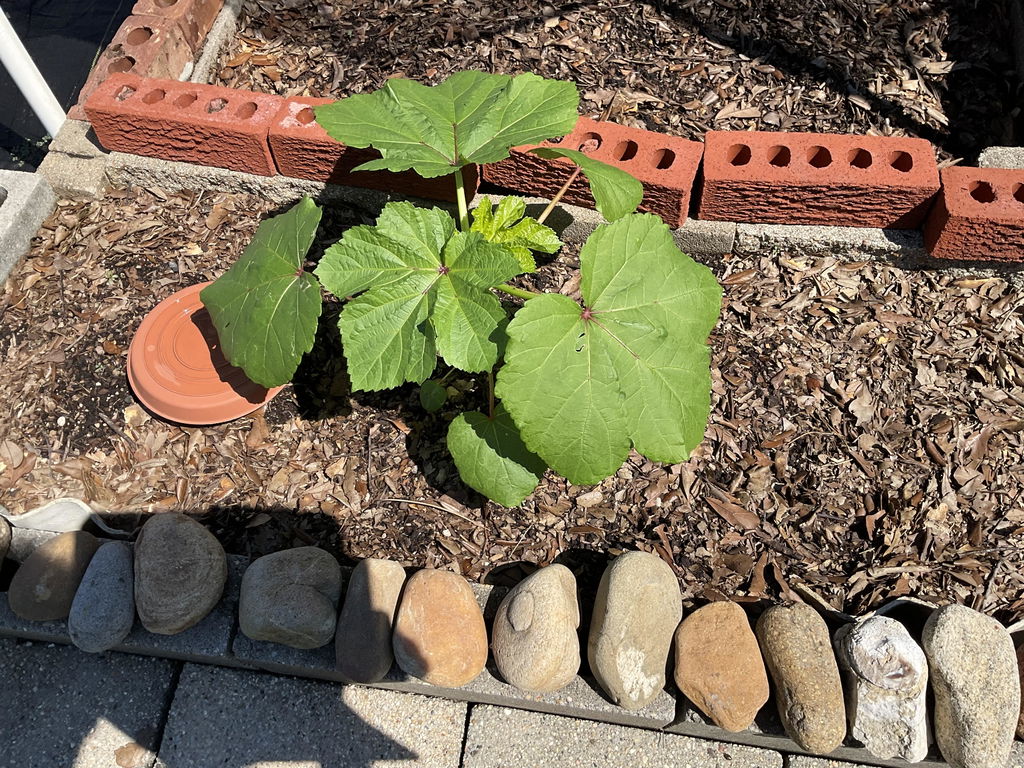
Iron is essential for chlorophyll synthesis, electron transport in photosynthesis, and numerous enzyme systems including those involved in nitrogen metabolism. Deficiency causes interveinal chlorosis (yellowing between green veins) on young leaves first, since iron is not mobile within the plant.

🔗 DTPA vs. EDTA: The pH Difference

EDTA (four coordination sites) begins releasing iron at pH 6.5, leaving it susceptible to precipitation in alkaline soils. DTPA (five coordination sites) maintains its iron complex through pH 7.5, making it the appropriate choice for soils and irrigation water in the neutral-to-moderately-alkaline range common across California, Arizona, and the Western US.

🌊 Bicarbonate Resistance

Alkaline irrigation water high in bicarbonate (HCO₃⁻) is a primary driver of induced iron chlorosis. Bicarbonates raise the rhizosphere pH around roots, locking up iron even in soils that test adequate. DTPA chelation resists this bicarbonate-driven precipitation, keeping iron accessible at the root surface.

Choosing the Right Iron Chelate by Soil pH

Iron EDTA — pH 4.0–6.5

Best value for acidic soils. Higher iron content (13%) and lower cost. Not effective above pH 6.5. See Chelated Iron EDTA 13%.

Iron DTPA ⭐ — pH 4.0–7.5

This product. The right choice for neutral to moderately alkaline soils and high-bicarbonate irrigation water. Covers the pH range where most Western US growers operate.

Iron EDDHA — pH 4.0–9.0

For very alkaline soils above pH 7.5. Higher cost, lower iron content (typically 6%), but unmatched stability in extreme conditions. Use when DTPA is insufficient.

What to Expect After Application

Day 1 Iron absorbed through leaves (foliar) or taken up at root zone (soil)
Days 3–5 Chlorophyll synthesis resumes; early color change visible in new growth
Days 7–10 Noticeable greening in young leaves; older leaves may not regreen
Weeks 2–3 Full recovery visible in new growth; combine with soil application for sustained results

Results vary with soil pH, temperature, irrigation frequency, and severity of deficiency. Severe or long-standing chlorosis may require multiple applications.

APPLICATION RATES & DIRECTIONS

For severe deficiencies, increase application frequency rather than concentration. Always test foliar spray on a few leaves first before full application.

Soil Drench Application

Mix with water and apply to root zone
Plant Type Rate Frequency
Houseplants (6" pot) 1–2 tsp per pot Every 4–6 weeks
Garden Vegetables 1–2 tbsp/gallon Every 3–4 weeks
Shrubs 2–4 tbsp per plant 2–3 times/year
Trees ¼–1 cup per tree 2 times/year
Field Crops 2–4 lbs/acre As needed

Foliar Application

Apply early morning or evening; avoid midday heat
Purpose Rate Frequency
Prevention 1 tsp/gallon Monthly
Mild Chlorosis 2 tsp/gallon Every 2 weeks
Severe Deficiency 1 tbsp/gallon Weekly until corrected
Commercial (dilute) 1–2 lbs/100 gal Full coverage spray

Hydroponics & Fertigation

Stock Solution Method (Recommended): Direct powder measurement for small reservoirs can lead to overdosing. Use the concentrate approach for precise control.

  1. Dissolve 2 oz (57g) in 1 gallon of water → ~1,650 ppm Fe stock solution
  2. Add 1–2 tsp of stock solution per 10 gallons of reservoir water
  3. Target nutrient solution: 2–3 ppm Fe (never exceed 5 ppm)
  4. Verify with ppm/EC meter and adjust as needed
Target iron levels by crop type
Crop Type Target ppm Fe Notes
Leafy Greens 2–3 ppm Lower end of range
Tomatoes / Peppers 2–4 ppm Increase at fruiting stage
Strawberries 3–4 ppm Critical for flavor development
Herbs 2–3 ppm Standard range

High-Risk Crops in Alkaline Soils

Plants most susceptible to iron chlorosis
Crop Sensitivity Special Notes
Citrus Very High Apply before spring flush
Roses High Monthly during growing season
Pin Oak Very High Inject or deep-root feed
Berries High Critical at fruit set
Tomatoes Moderate Apply at first flower
HOW TO USE

Foliar Spray

  1. Mix 1–2 tsp per gallon of clean water (adjust spray water pH to 6.0–6.5 if source water is alkaline).
  2. Add a non-ionic surfactant at label rate to improve leaf coverage and absorption.
  3. Apply early morning or evening — avoid spraying in direct sun or temperatures above 85°F.
  4. Coat both leaf surfaces thoroughly; repeat every 1–2 weeks until new growth is fully green.

Soil Drench

  1. Dissolve 1–2 tbsp per gallon of water; stir until fully dissolved.
  2. Apply directly to the root zone, watering evenly around the drip line of the plant.
  3. Water in immediately after application if soil is dry.
  4. Repeat every 3–4 weeks during the growing season, or more frequently for severe deficiency.

Hydroponics & Fertigation

  1. Prepare a stock solution: dissolve 2 oz (57g) in 1 gallon of water to create ~1,650 ppm Fe concentrate.
  2. Add 1–2 tsp of stock per 10 gallons of reservoir; test with a ppm meter to confirm 2–3 ppm Fe.
  3. Keep iron solution separate from calcium- and phosphate-concentrated stock tanks to prevent precipitation.
  4. Top off with stock solution as reservoir levels drop, monitoring ppm weekly.

Pro Tip: Combine Foliar + Soil for Best Results

For chlorotic citrus, roses, or pin oaks, apply a foliar spray (1 tbsp/gallon) for rapid greening while simultaneously drenching the root zone (2–4 tbsp/gallon). The foliar application provides immediate iron to the canopy while the soil drench builds availability over the following 4–6 weeks — reducing the need for repeat foliar treatments.

When Chelated Iron DTPA Is the Right Choice

  • Soil pH is between 6.5 and 7.5 (neutral to moderately alkaline)
  • Irrigation water is alkaline or high in bicarbonates
  • EDTA-based iron products have failed to correct chlorosis
  • Growing citrus, roses, pin oaks, azaleas, or berries in Western US soils
  • Hydroponic systems where stable iron concentration is critical

When to Consider Other Options

  • Soil pH is consistently below 6.5 — Chelated Iron EDTA 13% offers higher iron content at lower cost for acidic soils.
  • Soil pH exceeds 7.5 — Iron EDDHA provides greater stability at high pH where DTPA may lose effectiveness.
  • Budget is primary concern for large acreage with acidic soil — ferrous sulfate is lower cost where pH allows.
CHELATED IRON DTPA CALCULATOR
SAFETY & HANDLING
Personal Protective Equipment (PPE)
  • Wear chemical-resistant gloves when handling powder or concentrated solutions
  • Wear safety glasses or goggles to protect eyes from dust and splashing
  • Use a dust mask or N95 respirator when working with dry powder in enclosed spaces
  • Wear long sleeves to minimize skin contact
  • Wash hands and exposed skin thoroughly with soap and water after handling
Storage Guidelines
  • Store in a cool, dry location in the original sealed container
  • Keep away from direct sunlight, heat sources, and moisture — product is hygroscopic and will absorb humidity if left open
  • Reseal bag tightly after each use; consider transferring to an airtight container after opening
  • Keep out of reach of children and pets
  • Do not store near food, feed, or potable water supplies
Application Precautions
  • Do not mix with high-phosphate concentrates — iron can precipitate as iron phosphate in concentrated solutions
  • Jar test before tank mixing with copper, zinc, or manganese chelates
  • Adjust foliar spray water to pH 6.0–6.5 for optimal iron stability in solution
  • Avoid foliar application during peak heat or direct sunlight to prevent leaf burn
  • Do not exceed recommended rates — excess chelated iron can interfere with uptake of manganese and zinc
  • Rinse spray equipment thoroughly after use
First Aid
  • Eye contact: Flush immediately with clean water for 15 minutes, holding eyelids open. Seek medical attention if irritation or redness persists.
  • Skin contact: Wash affected area with soap and water. Remove contaminated clothing. Seek medical attention if irritation develops.
  • Ingestion: Do not induce vomiting. Rinse mouth with water. Contact Poison Control (1-800-222-1222) or seek immediate medical attention.
  • Inhalation: Move to fresh air immediately. If breathing is difficult or symptoms persist, seek medical attention.

Refer to the Safety Data Sheet (SDS) for complete safety and emergency response information.

COMPLETE YOUR SYSTEM
FREQUENTLY ASKED QUESTIONS
What is chelated iron DTPA and why is it better than EDTA for alkaline soils?

Iron DTPA uses Diethylenetriaminepentaacetic acid chelation, which binds iron through five coordination sites compared to EDTA's four. This stronger binding maintains iron solubility up to pH 7.5 versus EDTA's limit of pH 6.5. In practice, this means iron DTPA continues delivering available iron in the neutral-to-moderately-alkaline soil conditions common throughout California and the Western US, where EDTA-chelated products become ineffective. If your soil pH is consistently above 6.5, DTPA is the appropriate choice.

How do I know if my plants need iron DTPA versus a different iron form?

The primary signal is interveinal chlorosis — leaves that turn yellow between the veins while the veins themselves stay green — appearing on young leaves first. Iron deficiency is most common in plants growing in alkaline soils (pH above 6.5) or irrigated with high-bicarbonate water. If a soil test confirms adequate total iron but plants still show chlorosis, the iron is present but unavailable due to pH — that's exactly when chelated iron DTPA is needed. If soil pH is below 6.5, Chelated Iron EDTA 13% is a more economical option.

How fast will I see results after applying chelated iron DTPA?

Foliar applications typically show early greening in 7–10 days, with more complete recovery in new growth within 2–3 weeks. Note that older, severely chlorotic leaves often will not regreen — recovery is most visible in new foliage emerging after treatment. Soil drench applications take longer to show results (2–3 weeks) but provide sustained availability for 4–6 weeks. For fastest correction of severe chlorosis, combine a foliar spray for immediate uptake with a soil drench for ongoing availability.

What is the best method for using this in hydroponics?

Use the stock solution method to avoid the precision challenges of weighing very small powder amounts. Dissolve 2 oz (57g) in 1 gallon of water to create a ~1,650 ppm Fe concentrate, then dose 1–2 teaspoons of this stock per 10 gallons of reservoir water to target 2–3 ppm Fe in the final solution. Always keep your iron stock tank separate from concentrated calcium or phosphate solutions — mixing these in concentrate form can cause precipitation. Test your reservoir with a ppm meter weekly and replenish as needed.

Can I mix chelated iron DTPA with other fertilizers?

Yes, with some precautions. Chelated iron DTPA mixes cleanly with calcium nitrate, MAP, MKP, potassium sulfate, and most NPK fertilizers. Always add iron chelate to water first, then add other fertilizers — never add to a concentrated solution. Avoid mixing with high-phosphate concentrates, as iron can form iron phosphate precipitate in concentrated form. If mixing with other micronutrient chelates (copper, zinc, manganese), perform a jar test first: mix small amounts in the same proportions as your intended application and observe for 30 minutes before proceeding.

Which plants are most at risk for iron deficiency?

Plants with the highest iron demand and sensitivity to soil pH include citrus (particularly in Arizona and California), roses, pin oaks, azaleas, rhododendrons, gardenias, petunias, and most berry crops. Hydrangeas, blueberries, and stone fruits are also frequently affected. Any plant grown with alkaline irrigation water is at ongoing risk, since bicarbonates continuously raise rhizosphere pH and reduce iron availability even in soils that test adequate. Preventive DTPA applications before spring growth flush are especially effective for citrus and ornamental trees.

GROW WITH CONFIDENCE
Quality & Purity Standards

Every batch of Chelated Iron DTPA is independently tested for heavy metal content and verified against label specifications for iron percentage and chelation integrity. Our CDFA registration requires ongoing compliance with California's fertilizer material standards — ensuring you receive a consistent, accurately labeled product.

90-Day Money-Back Guarantee

We stand behind every product we make. If you're not satisfied with your Chelated Iron DTPA for any reason within 90 days of purchase, contact us for a full refund — no questions asked. See our returns policy for details.

Family-Owned Since 1989

Greenway Biotech, Inc. has been producing and distributing specialty fertilizers from California for over 35 years. We manufacture our chelated micronutrients in-house at our Madera, CA facility — giving us direct control over quality at every step from raw materials to final packaging.

DOCUMENTS
DISCOVER MORE
  • Blog articles about iron deficiency, chelated micronutrients, and alkaline soil management will be linked here once verified. See Blog Articles TODO in the tracking summary below.
HAVE QUESTIONS?

Check out our full FAQ page or contact our experts for personalized advice.

📧 questions@greenwaybiotech.com